
UK HGV Levy and Toll Changes: What Hauliers Need to Know
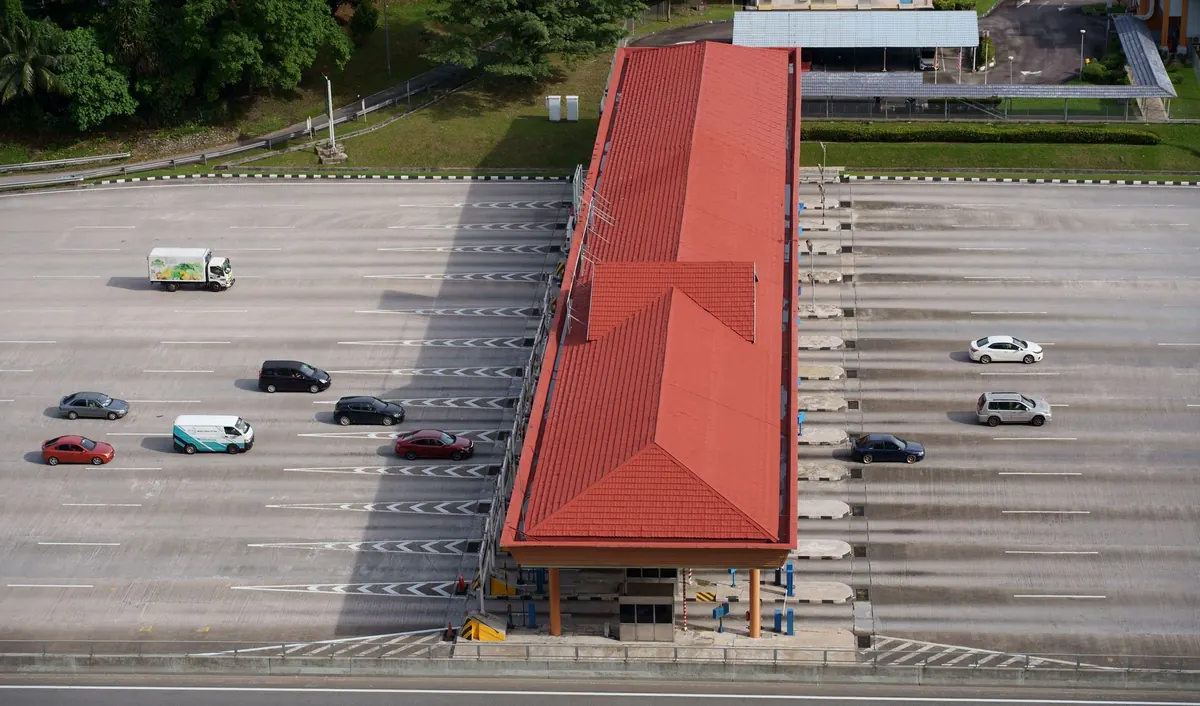
The HGV levy came back into force for UK-registered vehicles in 2023, and it landed alongside a steady drip of toll, bridge and clean air zone changes. Individually, none of these charges looks dramatic. Multiplied across a fleet, and across a year of regular runs, they can rewrite the economics of a lane between, say, Teesside and the Thames. If your rate card hasn't been touched since the levy returned, this is a sensible week to look at it.
Who Pays the Levy, and What It Is Not
The levy is a charge on heavy goods vehicles using UK public roads. It applies to vehicles at 12 tonnes gross vehicle weight and above, and it sits separately from vehicle excise duty, your operator licence and the annual test. UK-registered vehicles pay for a year at a time. Visiting vehicles from overseas can buy daily, weekly, monthly or annual periods, which is the entire point of the scheme: it makes sure hauliers based abroad contribute something towards the roads they use here.
Two things trip operators up. First, the levy is tied to the vehicle registration, not the trailer or the driver, so a vehicle swap has to be reflected in your records straight away. Second, paying the levy settles nothing else. Dart Charge, the M6 Toll, the Tyne Tunnel and a clean air zone fee are all separate liabilities, and an unpaid one stays unpaid even if your levy is current.
- What you need before you buy: the registration number, the plated gross vehicle weight, the axle configuration, the Euro emission standard and a payment method or account.
- What to keep afterwards: confirmation of the levy period and expiry, stored where your transport manager and your accounts team can both find it.
How the Levy Rate Is Worked Out
The rate depends on the vehicle, not the load and not the driver. Four factors do the work:
- Weight band. The heavier the plated weight, the higher the band you sit in.
- Axle configuration. Two, three and four-axle rigids and articulated combinations are banded differently.
- Emissions standard. A Euro VI vehicle pays less than an older engine. That gap is deliberate policy, not an accident.
- Registration country. UK vehicles are normally bought annually, while visiting vehicles can buy short periods, so the per-day figure looks very different on paper.
Rates are reviewed from time to time, so don't hard-code them into a costing spreadsheet and forget about them. Confirm the current published rates through the GOV.UK HGV levy service, then rebuild the per-vehicle figure before you quote a contract that runs for longer than a few months. Exemptions exist, but they are narrow — read the current list rather than assuming a category covers you.
Tolls, Bridges and Crossings to Watch
There is no single register of UK road charges, which is why so many fleets discover a crossing only when the penalty notice arrives. The ones that matter most to haulage:
- Dartford Crossing. Open-road tolling on the M25 with no booths, charged by vehicle class. Keep a Dart Charge account funded with automatic top-up; a failed payment becomes a penalty notice quickly.
- M6 Toll. Privately operated, and the HGV charge varies by time of day, so a night run can cost less than the same run at midday. Worth modelling rather than assuming.
- Tyne Tunnel. Cashless, via a Tyne Pass account. A vehicle not linked to the account is charged at the higher rate.
- Humber Bridge, Mersey Gateway, Silver Jubilee Bridge, Tamar Bridge and Torpoint Ferry. Regional crossings that add real money to a regular run.
- Silvertown and Blackwall tunnels. East London crossings now carry charges. Check before you route a delivery into that corridor.
- Scotland's major bridges and the Severn crossings. Toll-free. A longer, toll-free route can genuinely be the cheaper option once fuel and hours are counted.
Clean air zones are not tolls
A clean air zone or low emission zone charges a daily fee for a non-compliant vehicle rather than a price per crossing. London's ULEZ, the Birmingham, Bristol, Sheffield, Newcastle, Bradford and Portsmouth zones, and the Scottish LEZs in Glasgow, Edinburgh, Dundee and Aberdeen all work this way. Because the charge is daily and applies for every day the vehicle is in the zone, one non-compliant truck on city-centre multi-drop work can cost far more than every bridge toll on the route combined. Check the compliance status of each vehicle before you plan a day's drops, not after.
Route Planning: Where Charges Belong in the Numbers
- Build a charge profile per vehicle. Weight, axles, Euro standard, whether it is attached to a toll account, and whether it is compliant for each zone it enters.
- Tag your regular lanes. List every crossing and zone a lane touches, with the current charge for that vehicle class.
- Price the alternatives properly. The "free" route usually isn't. A 40-minute detour costs fuel, driving hours and possibly a late delivery, and those usually outweigh a toll.
- Decide the policy before the driver does. If drivers choose their own route, some will pay to save time and others will save money and run late. Set the rule and put it in writing.
- Reconcile monthly. Compare what you expected to pay against what came out of the accounts. Discrepancies are usually a mis-classified vehicle, not a billing error.
Admin Habits That Keep Penalties Away
Most toll penalties come from paperwork, not driving. An account with no funds, a vehicle swapped onto a tag somebody forgot to update, a permit bought for the wrong registration. A few habits close most of that gap:
- Keep levy expiry dates in the same diary as MOT, tax and insurance renewal.
- Use automatic top-up on every toll account, and check the card on file hasn't expired.
- Name one person responsible for levies, tags and zone permits. Shared ownership means nobody owns it.
- Keep proof of payment for a reasonable period after each journey, in case of a challenge.
What to Do Before Your Next Renewal
Pull up your fleet list and check four things for each vehicle: plated weight, axle configuration, Euro standard and current levy expiry. Then look at your ten most common lanes and total up the crossings, zones and tolls each one touches. If the total has moved since you last priced the work, talk to the customer before you absorb it — and if the charges affect how you build contract rates, run the numbers past your accountant. Levy and toll rules do change, so confirm your own position through the GOV.UK levy service or your trade association rather than relying on a figure you heard in a yard.
Photo: Araf Khan / Pexels