
Winter Lorry Maintenance Checklist: 12 Checks Before Cold Weather Hits
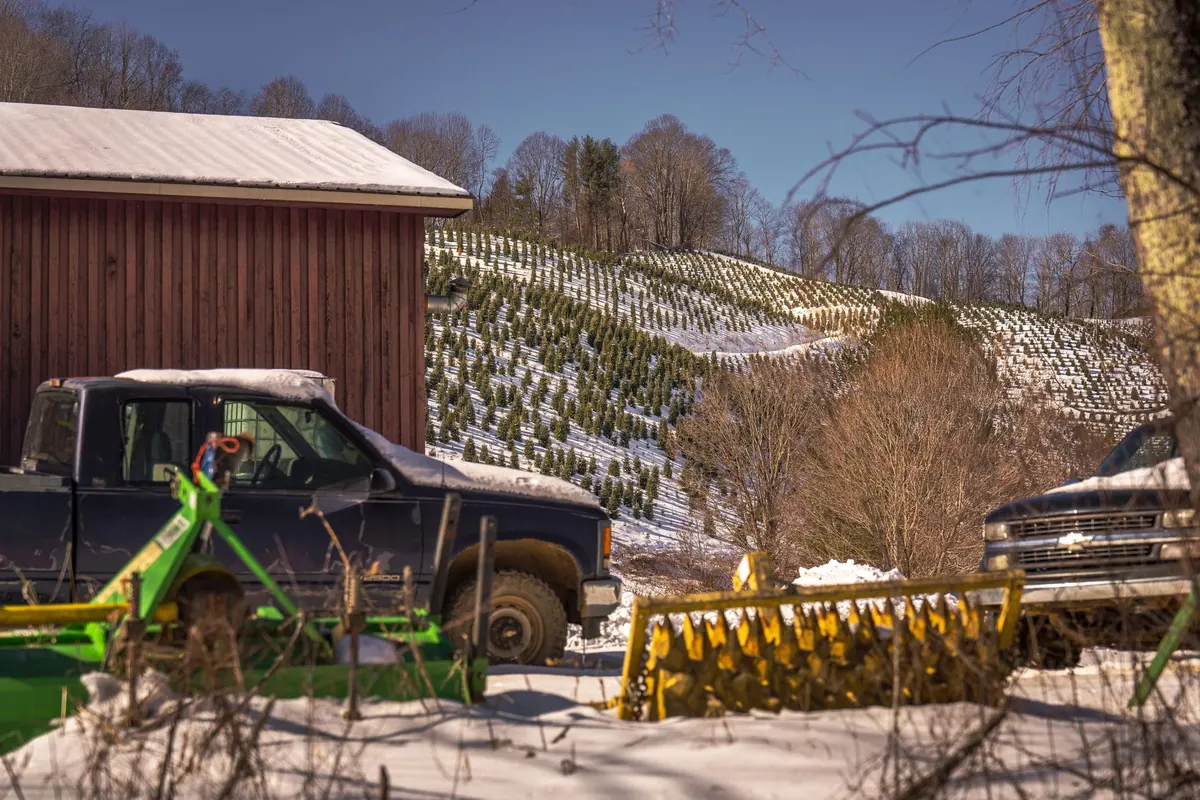
The first hard frost never announces itself. You climb in at four in the morning, turn the key, and the engine turns over slower than it did last week. The wipers smear. The screenwash has turned to slush in the lines. Twenty minutes later you are still in the yard, and the run is already behind.
Most winter breakdowns are not bad luck. They are small things that were already marginal in October and only became obvious when the temperature dropped. An hour spent in the yard on a dry afternoon is cheaper than a night on the hard shoulder, and considerably warmer. Here are twelve checks worth doing before the cold properly sets in.
Coolant: strength matters more than level
A full header tank tells you almost nothing. If the mix is too weak, it will freeze in the block and crack something expensive; if it is too strong, it will not carry heat as well and can shorten the life of the system. Test the concentration with a refractometer rather than trusting the colour, and top up with the correct pre-mixed coolant for your engine rather than neat antifreeze. If the reading is well below spec, drain and refill rather than trying to guess your way to the right ratio.
While you are in there, look at the hoses. Cold makes old rubber brittle, and a hose that weeps slightly in summer can split without warning at minus five. Squeeze each one, look for cracks near the clips, and check for crusty white or pink residue around the radiator core and tank seams. Replace the pressure cap if it looks tired. It is one of the cheapest parts on the vehicle and one of the most common causes of an avoidable boil-over.
Batteries and charging
Cold reduces a battery's ability to deliver power and increases the effort needed to turn a cold engine. A battery that is merely average in autumn will fail you in January. Have it load tested, clean the terminals and apply protective grease, and check that the clamp is holding it properly. If it is several years old and already cranking slowly, replacing it now is usually cheaper than a callout later.
Then look at the charging side. Check belt condition and tension, and listen for a squeal on a cold start, which often points to a belt or tensioner that is on its way out. A tired alternator will keep a good battery flat, and a warning lamp that flickers in cold weather is worth investigating rather than ignoring.
Tyres: grip and pressure
Check tread depth across the full width of every tyre, not just the outer edge. Look for cuts, bulges, and uneven wear, which can point to alignment, suspension or loading problems that will only get worse on wet, salted roads. The legal minimum is far shallower than the depth you actually want when there is standing water or snow about.
Pressures should be checked cold, with a calibrated gauge, before the vehicle has done any distance. Air contracts in the cold, so a tyre that is correct on a mild afternoon can read noticeably low on a frosty morning. Under-inflation is a leading cause of tyre failure, and on a twin fit the inner tyre can be well down without being visible. Do not forget the valve caps, which keep moisture and grit out of the valve.
Finally, sort your traction kit before you need it:
- Chains or socks that actually fit your tyre size, practised in the yard rather than the snow
- A torque check on the wheel nuts, and a look at spray suppression flaps
- Grit, sand or a traction mat, plus a shovel that lives in the locker all winter
Lights and visibility
Walk around the vehicle against a wall or with someone watching, and check everything: headlamps, tails, markers, indicators, hazards, beacons, work lights, reverse lamps and the number plate lamp. Condensation inside a lamp unit means water is getting in, and it will freeze and crack the lens sooner or later. Clean the lenses and have the beam alignment checked if you have access to a beam setter.
Wipers and screenwash are the classic oversight. Fit new blades before smear season starts, and use winter-strength screenwash at the dilution on the bottle. Neat summer wash freezes in the lines and can split the pump. Check the demister and blower across all speeds, and confirm the mirrors and any heating elements are working.
Air, fuel and cold starting
Drain the air tanks as part of your daily routine through winter. Moisture in the system is what freezes and causes brake valves to stick, and a drain that runs clear is a good sign. Check when the air dryer cartridge was last changed; if it is overdue, change it rather than hoping. If you are unsure about anything in the braking system, have a qualified technician look at it before the vehicle goes back out.
On the fuel side, make sure you are running winter-grade diesel where it is available, or use an anti-waxing additive according to the manufacturer's instructions. Drain the water separator, replace the fuel filter if it is close to its interval, and keep the tank reasonably full to reduce condensation. A fuel filter that is half blocked with wax is a frustrating way to lose a morning.
The cab, and the kit you will want
Test the heater and demister properly, not just for thirty seconds. A night heater that will not light is a miserable way to spend a night out, so have it serviced before you rely on it. Then build a winter kit and keep it in the cab all season:
- Sleeping bag or blanket, spare warm clothing, hat and gloves
- Torch with spare batteries, plus a phone charger and power bank
- De-icer, scraper and a proper snow brush
- Jump leads or a booster pack
- Flask, water and some food that does not need heating
- Hi-vis, warning triangle and first aid kit
- Spare bulbs and fuses for the lamps you can change legally at the roadside
Book it in before the first frost
Pick a date, work through the list, and write down what you checked and when. Anything you cannot test yourself, hand to the workshop with a specific question rather than a vague request for a winter once-over. Your operator's maintenance policy and the manufacturer's service intervals always take priority over any checklist, including this one, and if a fault touches brakes, steering or anything else safety-critical, get it seen by someone qualified.
The point is not to complete twelve items and feel virtuous. It is that on the morning the temperature drops to minus six, the engine starts first time, the screen clears, the tyres are right and the heater works. That is a good start to a long day.
Photo: Mark Stebnicki / Pexels